


Amazon’s Fire TV redesign marks a significant moment in the smart TV and streaming device market, introducing not just a fresh user interface but a wholesale rebranding that could redefine user engagement and device interaction. This overhaul includes the launch of the Amazon Ember TV line and the renaming of the popular Fire TV Stick 4K, signaling a strategic pivot toward a more integrated and intuitive experience for consumers.
The Fire TV redesign surfaces amid a growing competitive landscape for streaming platforms, where user experience and brand clarity are pivotal. Amazon has bundled various updates that range from visual interface improvements to performance optimizations, providing a smoother and faster streaming experience. Observers note that these changes also hint at a deeper Alexa integration, which could enhance voice control capabilities across devices, underscoring Amazon’s commitment to smart home synergy.
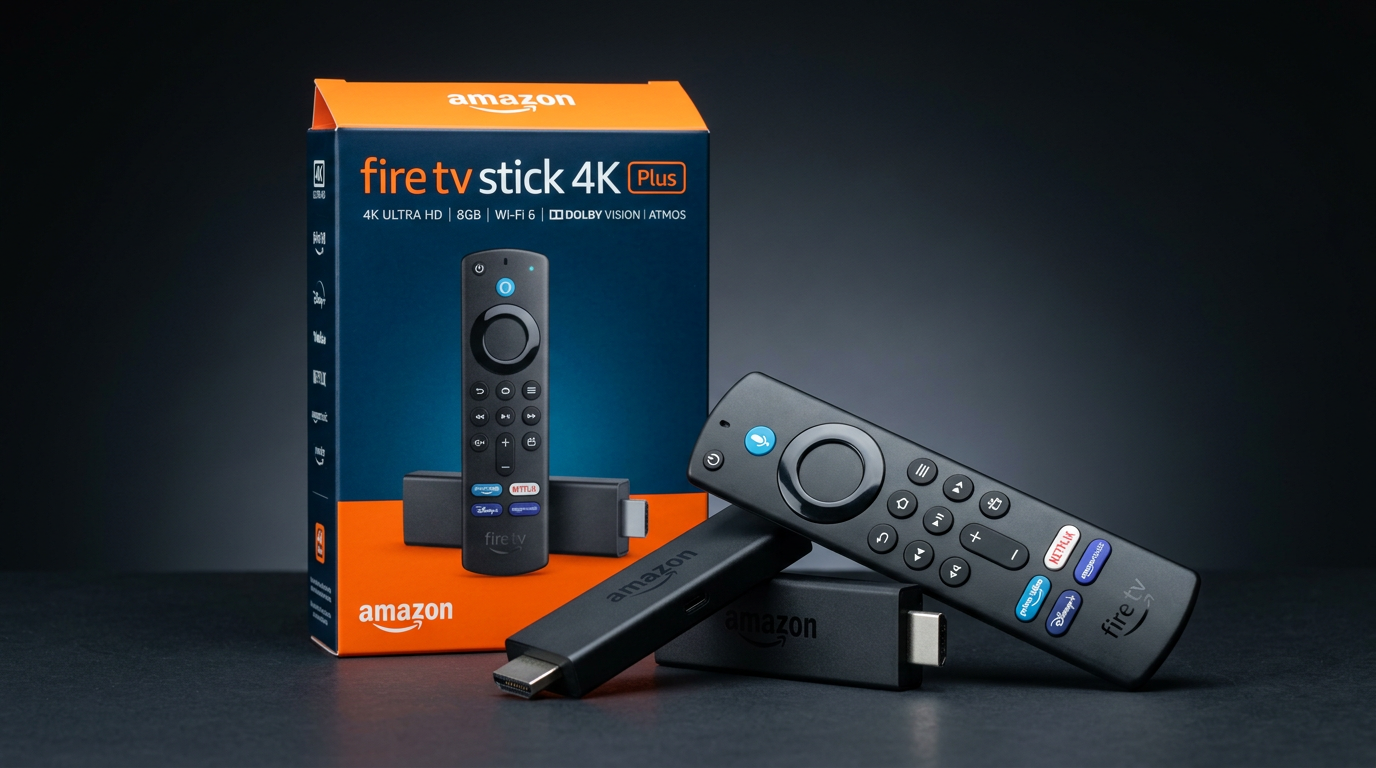
Concurrently, the Fire TV Stick 4K rename is more than a cosmetic alteration. It represents a redefined product position within Amazon’s portfolio, likely accompanied by firmware updates and enhanced performance metrics. For existing customers, this renaming prompts a need for clear instructions on device management and account synchronization, as reflected in trending consumer inquiries. The strategy reflects a common industry pattern where renaming coincides with substantial under-the-hood additions, aiming to extend product relevance and lifecycle without alienating the current user base.
The Fire TV redesign extends to interface changes that offer streamlined navigation and refined content discovery. Amazon’s renewed focus on advertising within the Fire TV platform is also notable, as it balances user experience with monetization strategies. These adjustments are pivotal in an era where content discoverability and personalized recommendations influence user retention and engagement. Analysts suggest that the Fire TV ecosystem’s adaptability through software updates will play a crucial role in maintaining its competitive edge, particularly as services proliferate and viewers demand tailored viewing experiences. For a detailed breakdown of the rebranding and its implications, technology enthusiasts can explore further at HowToGeek’s extensive analysis of Amazon’s Fire TV rebrand.
Existing Fire TV users face questions regarding compatibility and the transition process. Amazon’s approach appears designed to minimize disruption, retaining core functionalities while introducing enhancements. Pricing strategies for the Ember TV line and updated Fire TV devices indicate a competitive stance, aiming to capture both budget-conscious buyers and premium market segments. This pricing calibration will be instrumental in how the redesign influences Amazon’s market share among streaming and smart TV consumers.
The rebranding effort also speaks to a larger branding strategy in the tech industry, one that prioritizes clarity and cohesion to foster user loyalty and brand differentiation. Transitioning from Fire TV to Ember TV on the hardware side, while maintaining the Fire TV moniker on the software front, represents a nuanced balance between legacy recognition and future ambitions. Insightful consumer feedback emerging post-launch will be critical in guiding Amazon’s next iterations of both hardware and software experiences.
With the Fire TV redesign, Amazon is not just updating a product line but recalibrating its narrative around streaming technology and consumer electronics. This strategic repositioning encourages users to reconsider how they interact with digital content at home, promising more intuitive, faster, and visually engaging experiences. For more on smart home product launches that complement these developments, including broader ecosystem integrations, readers can refer to smart home launches March 2026, connecting Amazon’s redesign to wider industry trends.
In essence, the Fire TV redesign and its associated product renaming initiatives reflect Amazon’s ambition to lead in the streaming hardware space by improving user experience, reinforcing brand identity, and enhancing device performance. The success of this evolution will likely hinge on seamless consumer transition and how effectively the new features resonate in an increasingly crowded and sophisticated market.