

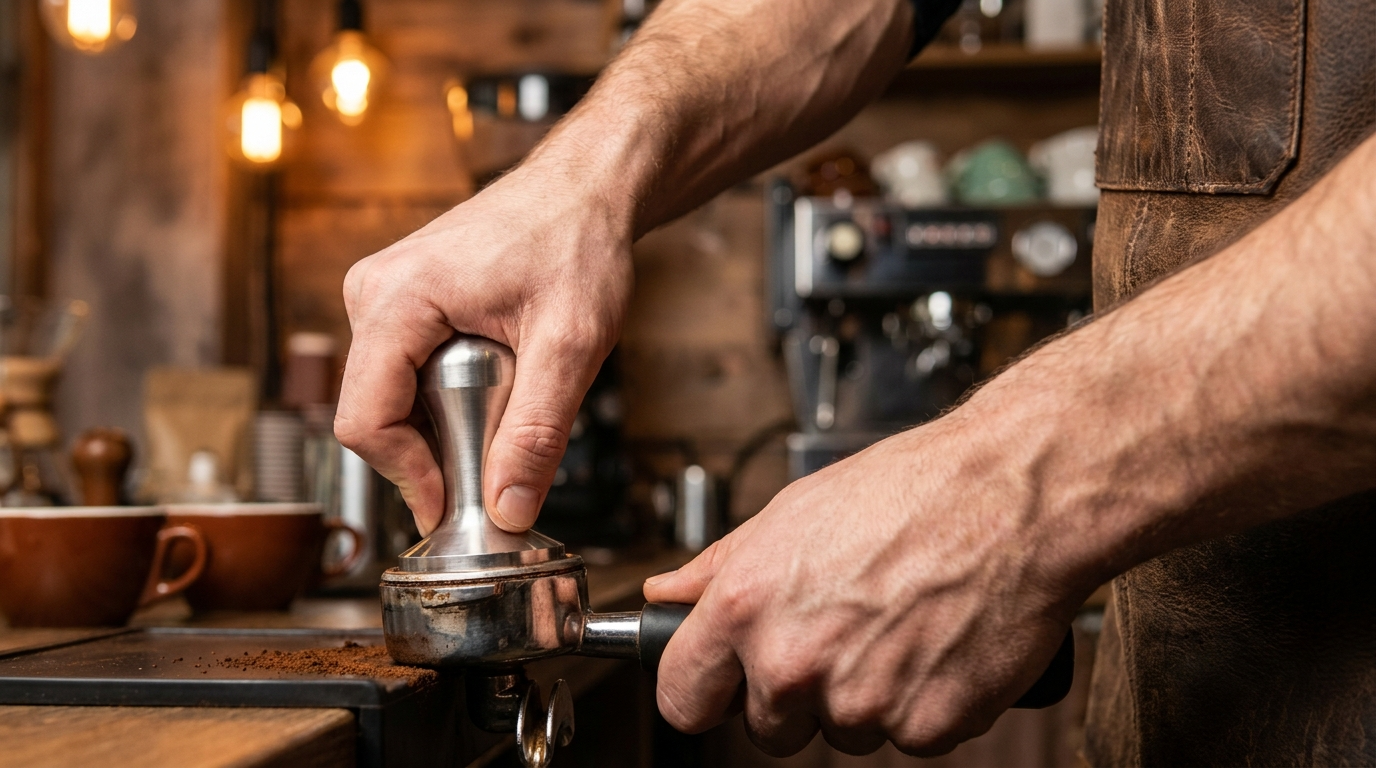
Espresso tamping pressure stands as a critical factor in the pursuit of the perfect espresso shot, yet it is often misunderstood or overlooked by enthusiasts. Applying the right amount of pressure when tamping influences the extraction quality and taste, underscoring the delicate balance required to unlock espresso’s full potential.
Achieving consistent espresso tamping pressure is a foundational step in espresso preparation. Experts agree that ideally, applying approximately 30 pounds (13.6 kg) of pressure ensures even distribution of coffee grounds in the portafilter basket. This pressure compacts the grounds uniformly, resisting water flow just enough to allow optimal extraction of oils and flavors without causing over-extraction or channeling. Tamping too lightly can lead to weak, under-extracted shots, while excessive force risks bitter flavors or machine strain.
The amount of coffee used, often referred to as the ideal espresso shot amount, typically ranges between 18 to 20 grams for a double shot but can vary based on bean type and machine. Consistently dosing this precise quantity before tamping is essential to maintain stable espresso tamping pressure and shot volume. Additionally, grind size plays a complementary role; a fine grind suited for espresso provides enough resistance during tamping and extraction, affecting flow rate and taste balance.
Espresso enthusiasts aiming for mastery should carefully measure and adjust these variables. According to a guide by Breville, a firm, level tamp with consistent pressure is the best practice, emphasizing the importance of uniformity across the puck’s surface to prevent uneven water paths.
Step-by-step, the tamping process begins with weighing the ground coffee to ensure the dose fits the basket correctly. A distribution tool or gentle tapping helps level the grounds before tamping. Using a tamper with a flat base, the barista applies steady pressure, ensuring the puck is firm and evenly compressed. After tamping, a quick visual check verifies there are no loose grounds that may disrupt extraction.
Troubleshooting common espresso extraction issues often centers on tamping and grind adjustments. For example, if shots pull too quickly or taste sour, a finer grind with consistent tamping pressure may be required. Conversely, overly slow extraction or bitterness can indicate tamping pressure is too high or the grind is too fine. Mastery comes from iterative changes and careful tasting, thereby fine-tuning espresso tamping pressure to personal preference.
In addition to pressure control, equipment variation affects tamping efficiency. Some machines feature calibrated tampers or built-in pressure sensors, providing helpful consistency markers for amateurs and pros alike. Awareness of these innovations offers home baristas practical ways to standardize their technique and embrace technology-assisted brewing.
For readers interested in further refining grind parameters, exploring advice on the grind size for espresso provides valuable insight into how particle size directly impacts extraction and flavor profile.
Enhancing espresso tamping pressure control also benefits from maintaining your equipment. Regular cleaning and calibration of espresso machines contribute to reliable extraction and consistent pressure application. Articles such as Samsung’s bespoke AI appliances demonstrate how smart technology integration is evolving appliance maintenance and user experience, indirectly supporting superior coffee preparation.
Beyond practical tips, understanding broader coffee culture trends enriches the tamping conversation. Specialty coffee enthusiasts often experiment with alternative brewing methods or explore health benefits associated with moderate espresso consumption. For a technical but accessible overview of espresso tamping techniques and their flavor implications, the Niche Coffee step-by-step guide offers an expert perspective.
Mastering espresso tamping pressure is a nuanced craft that combines precise dosing, grind consistency, and calibrated force. By integrating expert recommendations, detailed techniques, and smart equipment use, home baristas can elevate their espresso shots dramatically. The commitment to refining tamping skills not only enhances flavor but also deepens appreciation for the complexities of coffee preparation. As you experiment, consider reading more about related coffee technologies such as long-range wireless charging innovations that, while seemingly unrelated, illustrate the broader landscape of modern convenience in home environments.
Ultimately, the path to the perfect espresso shot runs through consistent espresso tamping pressure, disciplined technique, and an openness to ongoing learning—key ingredients for any dedicated coffee maker’s success.