

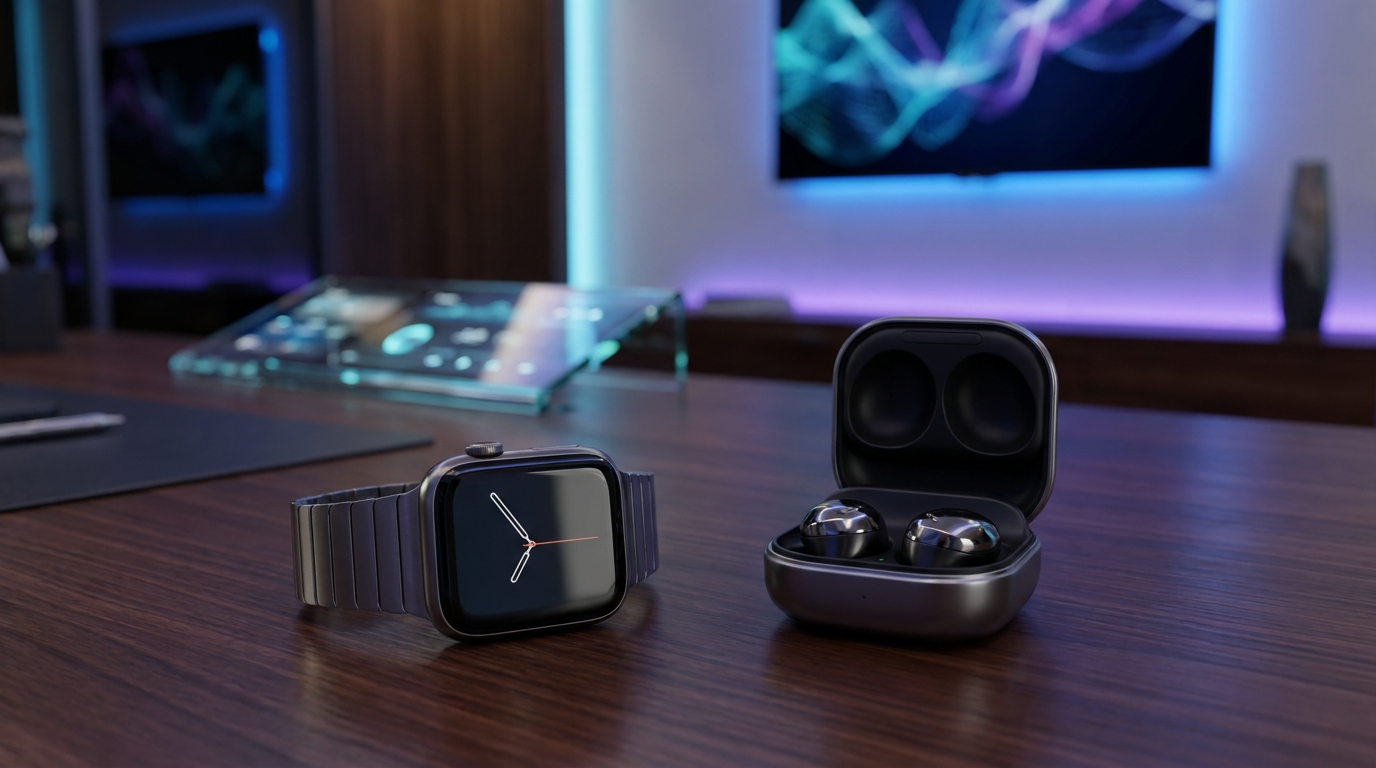
Tim Cook’s leadership has distinctly transformed Apple products into some of the most recognized Apple status symbols of our era, a shift that resonates beyond mere technology. Under his guidance, devices such as the AirPods and Apple Watch have evolved into emblematic markers of modern luxury and premium lifestyle, reinforcing Apple’s brand as a coveted symbol of success.
Since assuming the CEO role in 2011, Tim Cook has steered Apple’s strategic ascent in premium positioning, emphasizing design, exclusivity, and social signaling through technology. This approach not only propelled Apple’s financial growth but also entrenched its products within a culture of aspiration. Forbes highlights Cook’s greatest contribution as “shifting Apple’s focus towards user privacy, seamless ecosystem integration, and wearable technology,” all of which enhanced the brand’s luxury appeal without compromising accessibility.[Forbes]
Apple’s premium devices, notably the AirPods, exemplify this dynamic. These wireless earbuds have transcended their technical function to become visual signals of modern tech savviness and status. Their design, branding, and widespread cultural adoption affirm how Apple status symbols extend into everyday fashion and identity. Similarly, the Apple Watch has redefined wearable tech not just as a utility but as a customizable luxury accessory, frequently seen on celebrities and influencers. This reinforces how product design evolution under Cook involves marrying technology with lifestyle aspirations.
Pricing strategy reinforces Apple’s positioning as a luxury brand, as analyzed in depth by analysts noting the company’s success in “thriving by going upscale.” Apple consistently sets premium price points, leveraging brand loyalty and quality perception to justify costs. By doing so, it differentiates itself from competitors who often compete on price, cementing its aura as a status symbol. This contrasts with many other consumer tech companies that focus primarily on specs or affordability rather than cultural symbolism[Forbes].
Beyond product-centric strategies, Apple’s cultural symbolism under Tim Cook intertwines with celebrity endorsement and lifestyle branding. High-profile public figures’ visible use of Apple devices amplifies their status messaging. This social signaling plays into broader luxury branding, where owning an Apple device signals inclusion within a specific socioeconomic and cultural milieu. The company’s meticulous marketing perpetuates this narrative, as noted by marketing experts who analyze Apple’s prowess in creating emotionally resonant branding that fosters community and desirability[Forbes].
However, the conversation around Apple status symbols also opens considerations around environmental and ethical impacts. As consumers increasingly weigh sustainability, Apple’s efforts in recyclable materials and carbon-neutral commitments emerge as integral to its luxury positioning and brand trust. This ethos can influence how status is perceived in future product generations, aligning premium branding with ethical responsibility.
In the evolving landscape, wearable tech and artificial intelligence integration represent the next frontier for Apple’s status symbols. Innovations hinted at in smart home displays and AI-powered appliances suggest Apple’s expansion into lifestyle ecosystems, broadening its cultural footprint.
For example, upcoming rumors about the Apple Smart Home Display point to Apple’s desire to extend its seamless, premium user experience into the household, complementing devices like the Apple Watch and AirPods with a renewed focus on intelligent living spaces Apple smart home display rumors. Similarly, advancements in AI-driven kitchen and home appliances signal a convergence of luxury tech and everyday convenience, a trend mirrored by competitors such as Samsung with its own bespoke AI appliancesSamsung bespoke AI appliances and startups innovating in AI-enhanced home devices like the Neoma AI Countertop OvenNeoma AI countertop oven.
While Apple’s market performance continues to dominate through brand loyalty and innovation, ongoing comparisons with competitors underscore the importance of continuous reinvention. The company’s ability to maintain its symbolic stature amid a saturated tech market rests on evolving design language that balances cutting-edge technology with cultural relevance, a legacy deeply shaped by Tim Cook.
In conclusion, Apple status symbols under Tim Cook encapsulate more than premium hardware—they reflect a sophisticated blend of design, marketing, cultural resonance, and ethical awareness. These factors collectively advance Apple’s position as an aspirational brand, influencing not just how technology is consumed but how it signifies social identity in a rapidly shifting digital world.