

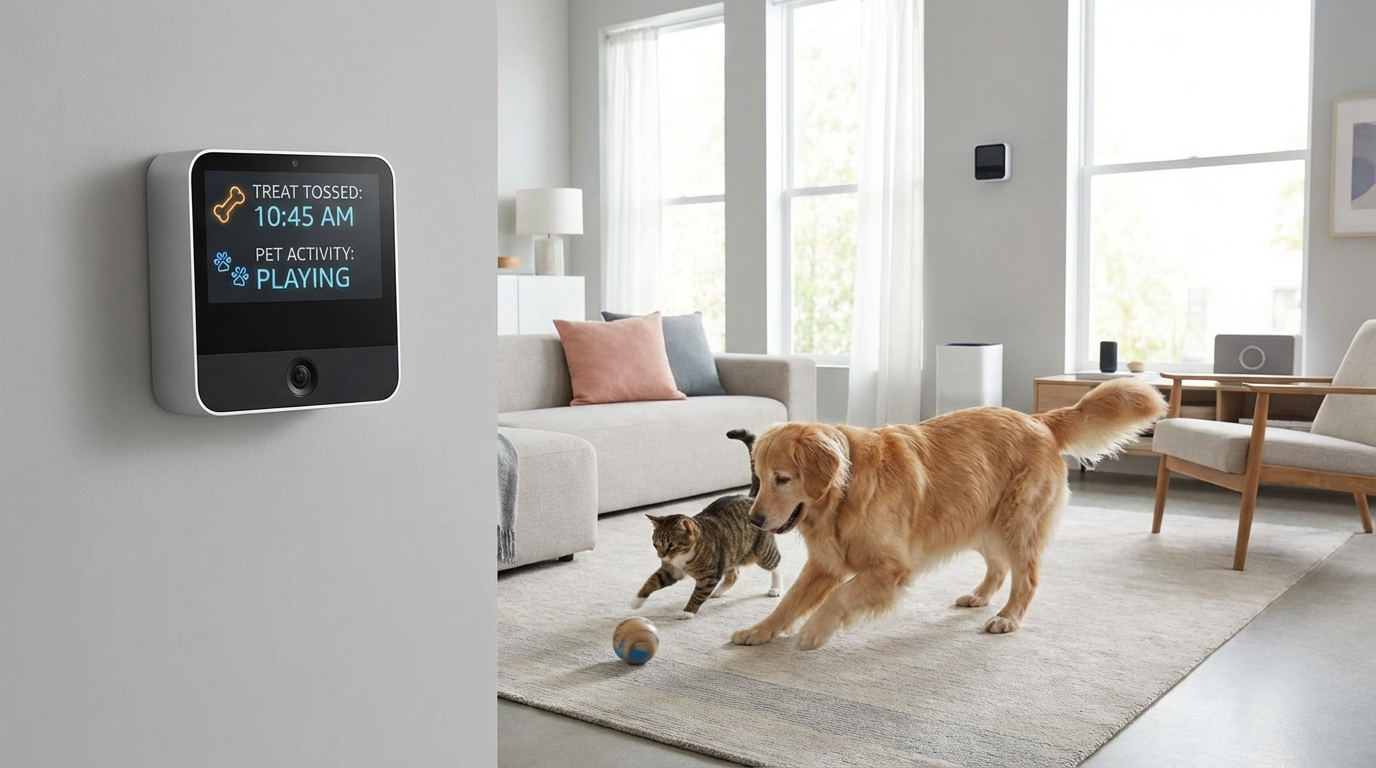
Pet cameras have rapidly evolved from simple surveillance tools to sophisticated devices equipped with AI-driven features such as treat dispensers, motion detection, and two-way audio. These advancements have transformed how pet owners engage with their furry companions remotely, addressing concerns about safety, well-being, and interaction even when away from home.
Ensuring the safety of both pets and owners is paramount when selecting and using pet cameras. Devices often come with built-in security features to protect against unauthorized access, but Wi-Fi connectivity issues remain a common troubleshooting point that users should anticipate. Proper setup involves choosing a stable network environment and securing the camera with encrypted passwords to prevent hacking. As many pet owners wonder, how can these devices fit seamlessly into the home while keeping pets comfortable? Placement matters—locating cameras in familiar, accessible spaces minimizes pet anxiety, while features like night vision ensure visibility even in low light.
One of the most appreciated capabilities in modern pet cameras is the treat dispenser, allowing remote interaction that goes beyond mere observation. However, experts caution about the health implications of overusing treat tossing devices. According to the American Veterinary Society of Animal Behavior, treat tossing can enrich a pet’s environment if used appropriately but should complement regular feeding routines to avoid overeating or behavioral dependency. This balance is essential when integrating pet cameras with treat dispensers into daily care.
Artificial intelligence plays an increasingly vital role in this realm by enabling pet health monitoring through behavior analytics. Petpace, a notable player in AI-powered pet care, illustrates how gadgets can track health metrics, activity levels, and even stress indicators in real time. Such data can empower owners to intervene early or communicate effectively with veterinarians via stored video and audio clips from the camera system. This integration of technology aids in managing pet anxiety and chronic health conditions, offering a proactive approach in pet care.
For those seeking to choose the best pet cameras, features like motion detection, two-way audio, night vision, and app compatibility are critical. For instance, the TP-Link Tapo indoor camera, frequently recommended for its treat tossing function and smart connectivity, exemplifies a practical choice for pet owners interested in a balance of interactive and monitoring features. The device supports easy setup with step-by-step guidance supplied through the manufacturer’s app, which is beneficial for less tech-savvy users.
Common issues with pet cameras often include firmware glitches, connectivity interruptions, and limited storage for video saving. Troubleshooting advice typically involves updating software regularly, ensuring robust internet bandwidth, and opting for cloud storage plans to secure recorded footage remotely. With increasing smart home integration trends, many pet cameras now support voice assistants and home automation, providing a unified ecosystem for pet care and home security alike. Readers interested in wider smart home technology trends can explore smart home security updates for 2026 to understand how pet cameras fit into broader technological advancements.
Addressing specific user needs is also essential. Models designed to accommodate multi-pet households or pets with anxiety emphasize customizable alerts and real-time interactivity to soothe and monitor stressed animals. These specialized features distinguish advanced AI pet cameras from basic models and meet the growing demand for personalized pet care solutions.
Prospective buyers often seek reviews and practical advice before investing. Reliable product assessments that highlight pros and cons, along with user experience insights, help navigate the market’s variety. For an informed decision on purchasing a pet camera with treat dispenser and interactive AI, visiting detailed product review pages provides valuable perspectives.
Moreover, owners who want to capitalize on deals can find targeted offers, such as for the TP-Link Tapo indoor camera, through curated discount promotions that combine affordability and features.
To summarize, the landscape of pet cameras today is defined by enhanced safety protocols, AI-driven health insights, and interactive treat dispensing capabilities. These innovations support a more connected, healthy, and enriched pet lifestyle, empowering owners to monitor, engage, and care for their companions remotely. As these devices integrate further into smart home ecosystems, they promise to redefine pet care through technology that is both accessible and sophisticated.
For deeper insight into how pet cameras address safety concerns, installation tips, and cost considerations, sources such as CNET’s pet cam guide are excellent references. Additionally, understanding the behavioral benefits of treat tossing and its enrichment potential can be explored through expert advice provided by the American Veterinary Society of Animal Behavior at AVSAB’s enrichment idea page. Finally, embracing AI-powered pet care gadgets to manage busy lifestyles and pet health monitoring is well detailed at Petpace’s AI pet care innovations. These resources collectively offer both foundational knowledge and advanced perspectives for pet owners navigating this evolving market.
[…] Pet Cameras: Safe AI-Powered Treat Tossing Tips […]
[…] Pet Cameras: Safe AI-Powered Treat Tossing Tips […]