

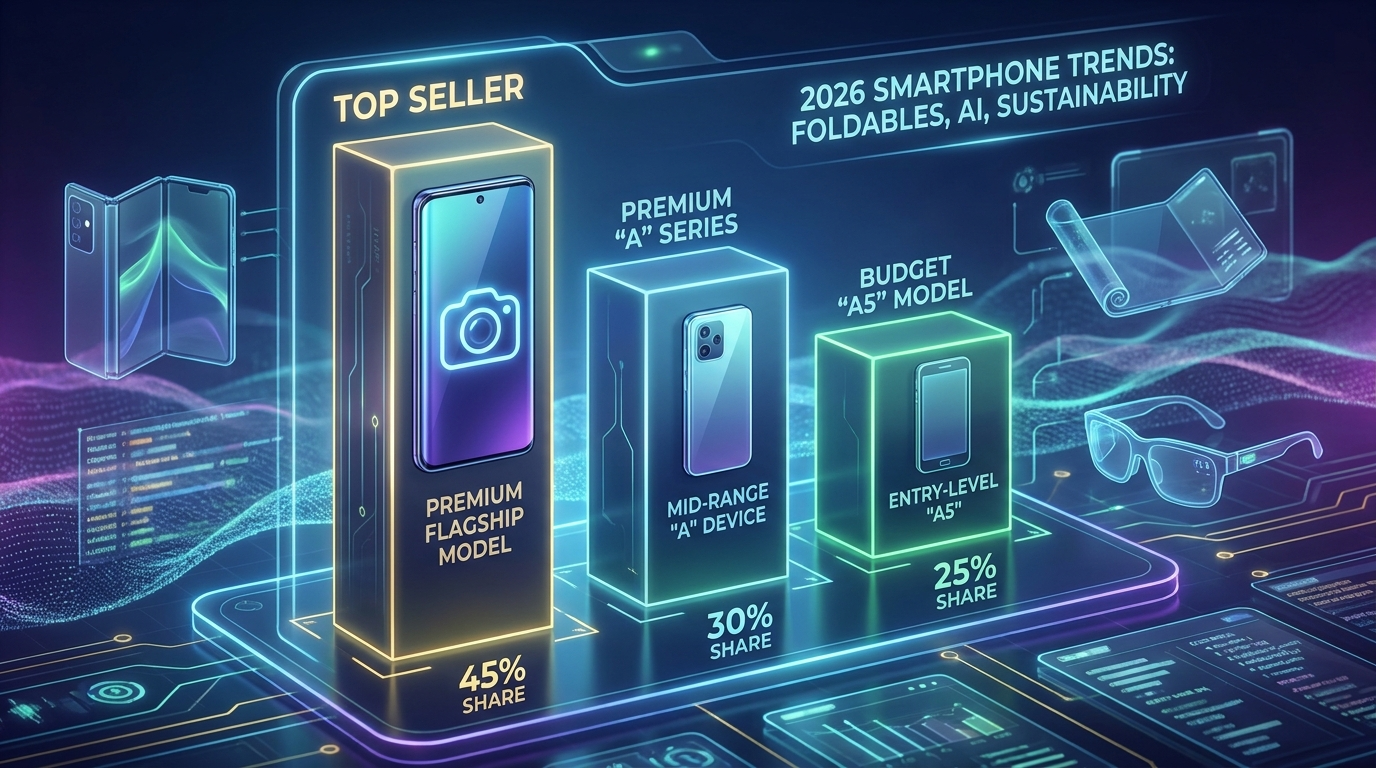
The iPhone 17 has firmly established itself as the best selling phone in Q1 2026, underscoring Apple’s continued dominance in the smartphone market during the opening quarter of the year. This latest success reflects a strong combination of innovative features, effective marketing strategies, and loyal customer support that continue to propel the device ahead of competitors.
Apple’s iPhone 17 sales reached unprecedented levels in early 2026, outpacing flagship offerings from Samsung’s Galaxy A series and Xiaomi’s Redmi A5, both of which serve different segments of the market. Analysts attribute this leadership not only to the iPhone’s premium design and ecosystem integration but also to regional growth in markets where 5G adoption and consumer spending on tech have accelerated. The sustained appeal of the iPhone 17 illustrates Apple’s ability to balance user experience with cutting-edge technology to maintain its market position.
Comparatively, the Samsung Galaxy A series remains a strong contender within the mid-tier category, attracting consumers looking for versatility without the premium cost. Samsung’s approach combines solid hardware specifications with competitive pricing, successfully capturing a range of budget-conscious users. However, Q1 data shows that this segment, while growing, has not matched the sales explosion seen by the iPhone 17. For a detailed look into Samsung’s market positioning, the evolution of the series in 2026 is discussed in depth at Samsung Bespoke AI Appliances and Market Review. On the budget front, Xiaomi’s Redmi A5 continues to drive volume sales in price-sensitive regions, offering fundamental smartphone capabilities that appeal to first-time buyers and those prioritizing value over advanced features.
One of the prominent factors influencing smartphone prices this year has been component cost volatility, particularly memory prices rising sharply due to supply constraints. These increases have affected manufacturers’ pricing strategies and consumer purchase decisions. The iPhone 17 and its competition reflect these dynamics, demonstrating how the premium segment can absorb parts of these cost hikes through brand value, while mid-tier and budget segments like the Galaxy A series and Redmi A5 face tighter margins. This trend underscores the complexity behind current market pricing and highlights the importance of component supply chains in shaping consumer electronics costs.
Looking beyond pricing and sales figures, foldable phones represent a rapidly emerging category that could reshape smartphone purchasing patterns. Apple’s tentative steps into foldable models have generated both excitement and debate. The company’s cautious entry contrasts with more established foldable offerings from Samsung, which have matured over several generations. For more details on Apple’s plans and the broader foldable smartphone market, see the analysis at Apple’s Foldable iPhone Foray and Market Impact. The foldable form factor brings distinct advantages in screen real estate and multitasking potential, appealing to professional and tech-savvy consumers, while also posing new design and durability challenges.
Sales rankings and market share statistics for Q1 2026 reveal that the iPhone 17’s leadership is not merely a function of brand loyalty but also product strategy execution and timing. Apple’s integration of advanced camera technologies, efficient processors, and seamless software updates offers a user experience that many find unmatched. The competitive landscape nevertheless remains dynamic, with Samsung’s mid-tier Galaxy A series adapting swiftly to consumer demands and Xiaomi optimizing cost efficiency in budget offerings, intensifying market competition.
The impact of ecosystem investments is crucial in sustaining customer retention, evidenced by Apple’s efforts to tighten compatibility between the iPhone 17 and services like HomeKit. The approaching deadlines for HomeKit updates, as reported in Apple HomeKit February 10, 2026 Deadline, highlight how integrated smart home functionalities continue to enhance device appeal beyond basic telephony. Meanwhile, smart home security trends in 2026, increasingly intersecting with smartphone technology, signal expanding opportunities for device makers to deepen consumer engagement through interconnected products (Smart Home Security Trends 2026).
The comprehensive data from Q1 2026 reinforces that the iPhone 17 stands as the best selling phone in the early months of the year, a testament to Apple’s deliberate and calculated advances in technology, supply chain management, and consumer experience. The interplay between rising component costs, emerging foldable phone technologies, and shifting consumer preferences will continue to define the smartphone market as the year progresses. Consumers and competitors alike are watching closely to see how these trends evolve, especially as foldable devices gain traction and budget models strive to balance performance and price.
In conclusion, the iPhone 17’s commanding performance in Q1 2026 reflects more than just sales volume; it evidences a strategic alignment of innovation and market demands that other manufacturers in Samsung’s Galaxy A series and Xiaomi’s Redmi A5 segments must navigate to keep pace. Apple’s ability to sustain this leadership will depend on how effectively it manages the shifting landscape of component supplies, consumer expectations, and emerging technologies such as foldables. This evolving environment promises to keep the smartphone sector intensely competitive and deeply transformative in 2026.
[…] iPhone 17 series, which promises improved display capabilities enhancing colour-rich applications Apple iPhone 17 Q1 2026 smartphone trends. Similarly, the rise of AI-driven assistants and smart home integrations creates a context where […]