

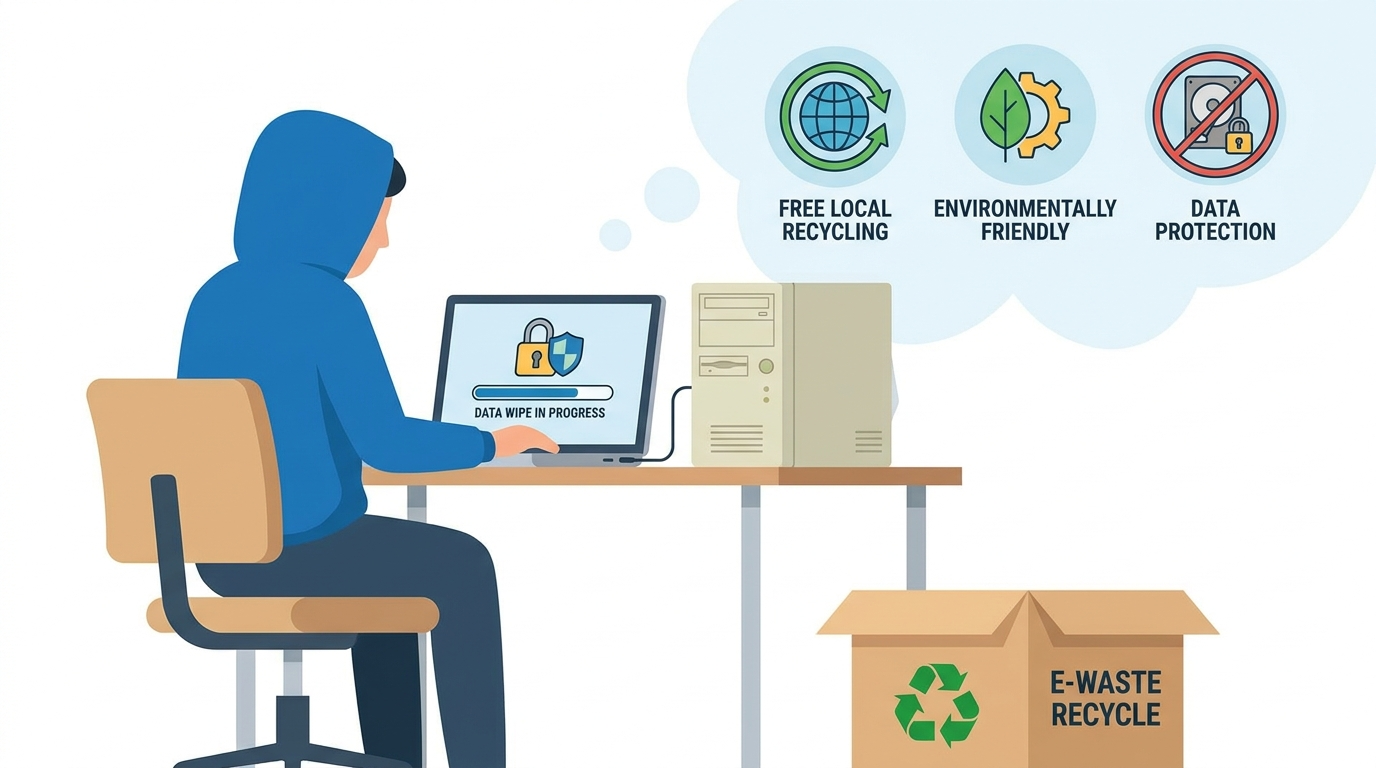
Free computer recycling has become an essential service for managing the growing pile of outdated technology in homes and offices. With the rapid pace of innovation, many consumers and businesses find themselves needing to dispose of old computers safely and at no cost. Free computer recycling programs not only help clear physical space but also play a crucial role in reducing electronic waste, which poses significant environmental hazards if improperly discarded.
Electronic recycling programs have sprung up across the country, offering accessible options to consumers seeking to dispose of their devices responsibly. Many local government initiatives and nonprofit organizations collaborate to offer drop-off points and collection events where residents can bring computers, monitors, keyboards, and related peripherals for recycling without incurring fees. For instance, Goodwill in Colorado runs a well-publicized free computer recycling program that welcomes a broad range of electronics, helping to extend the device lifespan through reuse or environment-friendly materials recovery.
Retailers also contribute significantly to the free computer recycling landscape. Major electronics stores often provide in-store kiosks or scheduled take-back events as part of their commitment to sustainability. Engaging these services can be particularly convenient for consumers, merging the experience of upgrading technology with environmentally responsible disposal. Such retailer recycling programs typically meet certified standards, ensuring that e-waste is handled securely and in line with regulations. According to the Environmental Protection Agency (EPA), electronics recycling not only conserves natural resources by recovering valuable metals but also mitigates the release of toxic substances found in many electronic components.1
One critical concern during recycling is data protection in computer recycling. Users must take proactive steps to secure their sensitive information before turning over devices to recyclers. Beyond simple data wiping, physically destroying hard drives or using software that performs multiple overwrites with random data is advisable. Specialists in electronics recycling often provide or recommend certified hard drive destruction services to reduce risks related to identity theft. Removing batteries and detachable storage media is also important to prepare devices properly for recycling and to meet environmental handling standards.2
Navigating local recycling options can be simplified by using online locators and tools offered by municipal programs or non-governmental groups. Many cities provide easy-to-use maps and schedules of events where free recycling is available. Consumer testimonials frequently highlight the convenience and positive impact of participating in these programs. This feedback can encourage broader community engagement while assuring users that their discarded devices are departing the waste stream responsibly. According to insights from smart home security trend reports, secure handling of digital assets continues to grow in importance as the volume of discarded smart technology rises.
Besides direct recycling, participating in electronics reuse programs can further sustainability by extending the lifecycle of functional equipment. Donating working computers to local schools, nonprofits, or refurbishers reduces demand for new manufacturing and diverts devices from landfills. Several electronic retailers specialize in collecting devices for resale or donation programs, combining environmental benefits with social value.
In addition to consumer actions, manufacturers and legislators are increasing focus on e-waste with programs supporting certified recyclers and regulations aimed at preventing hazardous waste dumping. These initiatives create a more accountable system for handling end-of-life electronics and incentivize product designs that prioritize repairability and material recovery.
For consumers ready to embrace free computer recycling, a straightforward start involves identifying nearby certified programs and following recommended data protection measures. Proper preparation—such as removing batteries and securely erasing data—increases the effectiveness and security of recycling efforts. Combined with community support and retailer involvement, these steps contribute to a more sustainable and responsible electronic waste ecosystem.
Additional insights into managing data security risks are available through resources focused on smart home protection technologies, broadening the perspective on digital privacy beyond recycling itself. Exploring transparent solar windows and their sustainability benefits illuminates complementary eco-friendly technologies gaining traction alongside e-waste reduction efforts.
Ultimately, free computer recycling programs represent a convergence of environmental stewardship, data security, and community participation. By utilizing local resources and adhering to best practices, consumers can effectively reduce e-waste impact and safeguard personal information. This proactive approach not only curtails pollution and conserves resources but also fosters a circular economy for electronics, supporting long-term sustainability objectives.